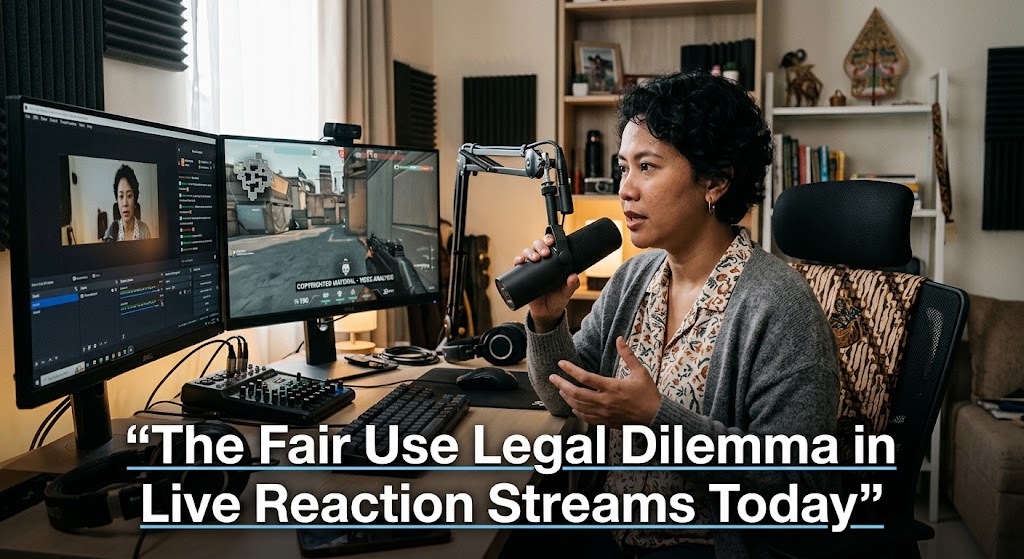
There’s a thin line between giving valuable commentary and simply taking someone else’s intellectual work. live reaction streams sit right on that line, especially when creators play movies, TV shows, songs, or other videos while reacting in real time. The catch is that calling something a “reaction” doesn’t automatically make it fair use. U.S. fair use is judged case by case through four factors, and courts ultimately make the decision.
For creators, the practical question is much easier: is your commentary the product, or is someone else’s content the product?
1. Live Reaction Streams And The Four Fair Use Factors That Matter

Fair use isn’t a timer. There’s no legal “10-second rule” or magic percentage that makes copyrighted footage safe.
The U.S. test considers four things:
- Purpose and character of the use
- Nature of the copyrighted work
- Amount and substantiality used
- Effect on the original work’s market
YouTube explains that adding new meaning, expression, or purpose can strengthen a fair-use argument, while simply copying the original does not.
1. Make The Commentary Do The Heavy Lifting
A strong reaction format might pause a scene to analyse its writing, challenge a character’s decision, explain production techniques, or compare two performances.
A weak format plays an entire episode while the creator occasionally says, “That was crazy.”
The difference isn’t cosmetic. One changes the purpose of the material; the other can look like a free viewing experience.
2. Use Only What Your Point Requires
The question isn’t “How many seconds can I use?”
Ask:
Could I make this point with less of the original?
If the answer is yes, cut it.
YouTube also notes that even a small portion can matter if it represents the “heart” of the original work.
3. Watch The Substitution Problem
A viewer shouldn’t be able to consume the original work through your stream and feel no need to access the legitimate version.
That’s particularly important with movies, TV episodes, full songs, and premium broadcasts. A reaction that functions as a substitute creates a much harder fair-use argument.
2. Transformative Content, Reaction Meta And The DMCA Takedown Trap
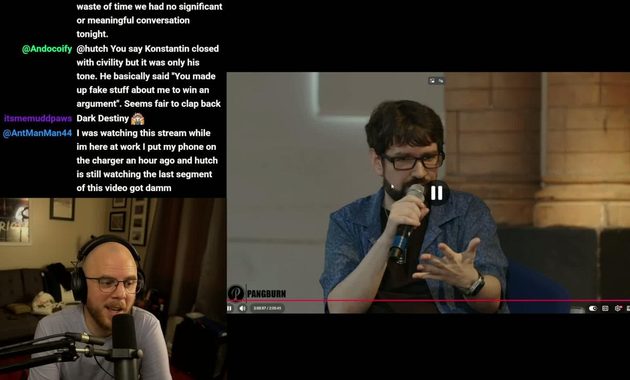
The Twitch reaction meta became a useful case study because creators increasingly streamed television shows while watching and commenting with their audiences.
The controversy around Pokimane and Avatar: The Last Airbender showed how quickly the format could collide with copyright enforcement. The broader “TV meta” debate became one of Twitch’s most visible copyright controversies in 2021 and 2022.
The lesson is pretty straightforward: popularity doesn’t equal permission.
What Makes A Reaction More Transformative?
A more defensible structure looks like this:
- Show a relevant excerpt.
- Pause the footage.
- Explain or criticise what happened.
- Add your own interpretation.
- Move to another excerpt only when necessary.
That structure keeps the creator’s contribution in the foreground.
It still isn’t a guarantee. Fair use remains fact-specific.
For music creators, the distinction becomes especially useful when choosing between a reaction format and a review format. This music reaction live stream vs music review stream shows why a review naturally gives the creator more room to make analysis the main attraction.
A DMCA Takedown Can Still Happen
Here’s the uncomfortable part.
Even if you genuinely believe your use is fair, a rights holder can still send a dmca takedown request. Fair use is a legal defence, not a platform permission button. YouTube says its systems cannot make the final legal determination of fair use because courts ultimately decide it.
That’s why “fair use” shouldn’t be treated as a shield you casually wave after receiving a complaint.
Credit And Disclaimers Don’t Change The Analysis
“Credit to the owner.”
“I don’t own this.”
“No copyright infringement intended.”
None of these automatically turns a non-transformative use into fair use. YouTube specifically says giving credit isn’t a legitimate reason by itself to dispute a copyright claim.
Good attribution is courteous. It just isn’t a legal shortcut.
3. Copyright Strikes On YouTube And Twitch And The Safer Creator Workflow
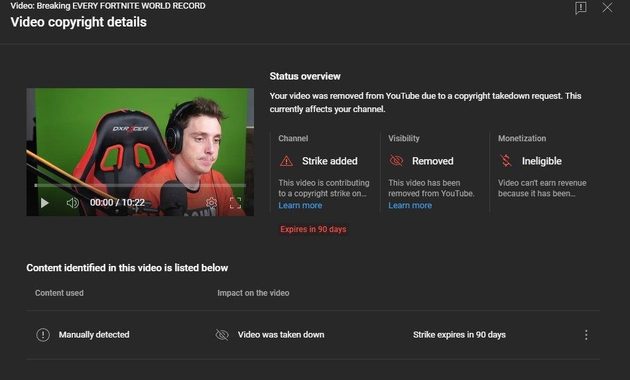
A Content ID claim, a takedown, and copyright strikes are different things.
On YouTube, a Content ID claim typically doesn’t become a strike. A valid copyright removal request can remove the content and apply a strike. Three active copyright strikes can put a channel at risk of termination.
Live streams aren’t exempt. YouTube says a live stream removed for copyright can result in a strike and a temporary live-streaming restriction.
A Better Pre-Stream Checklist
Before going live, run through this:
- Do I own or have permission to use the material?
- If not, what is my actual commentary purpose?
- Can I reduce the amount shown?
- Am I pausing frequently enough to analyse it?
- Could viewers use my stream as a replacement for the original?
- Have I separated licensed material from copyrighted material I don’t control?
This doesn’t guarantee fair use. It simply creates a much stronger editorial position.
What Happens After A YouTube Strike?
Don’t assume deleting the video will erase the problem.
YouTube says a copyright strike can expire after 90 days if the creator completes Copyright School and has fewer than three active strikes. Other routes include obtaining a retraction or submitting a valid counter-notification.
If a removal request is scheduled, YouTube can provide a seven-day period to act before the strike is applied.
The Simple Test Before You Press Go Live
Ask yourself four questions:
1. Would people still watch if the original clip disappeared?
2. Is my analysis more valuable than the footage?
3. Am I showing only what’s necessary?
4. Could my stream replace the original?
If your answers point toward the copyrighted work being the real attraction, rethink the format.
That’s the real DMCA shield: not a disclaimer, not a clever loophole, but making your own insight the reason people stay.


Yun Seo-jun worked in online reputation monitoring for entertainment companies and consumer brands. His role involved tracking viral live moments, identifying misleading clips, documenting audience reactions, and preparing reports during digital controversies. He now writes about viral livestream cases, responsible content sharing, creator accountability, audience manipulation, and the ethical questions that often appear when a live broadcast spreads beyond its original audience.