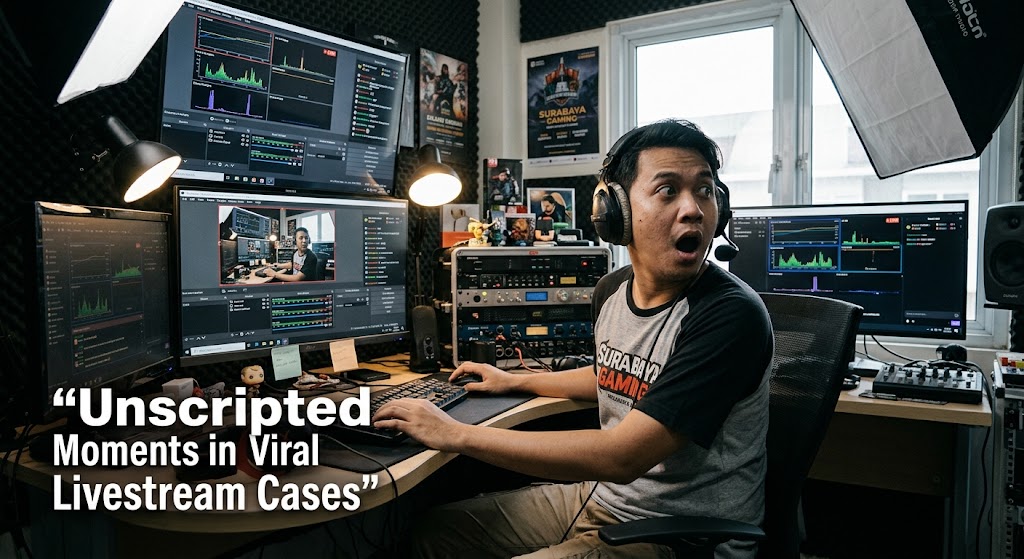
A normal broadcast can turn into a digital wildfire before the creator even realizes what happened. That is the strange power behind viral livestream cases. An accidental reaction, an unexpected interruption, or a moment that was never supposed to become content can suddenly escape its original audience and become part of internet history. The interesting question isn’t simply why people watched, but why they kept clipping, reposting, discussing, and remixing the moment after the livestream was over.
1. Viral Livestream Cases Start With Unscripted Moments People Cannot Easily Recreate
The first ingredient is usually something the audience believes cannot be manufactured convincingly.
Live video removes the safety net of editing. A mistake happens once. A strange reaction happens once. Someone walks into frame at exactly the wrong time. That uncertainty creates tension because viewers know they are watching something unfold rather than something reconstructed afterward.
Research and platform behavior suggest that emotional intensity, novelty, and social interaction can help content travel. But the strongest examples usually combine several factors rather than relying on one magic algorithmic trick.
Dr DisRespect and the 2018 House Shooting
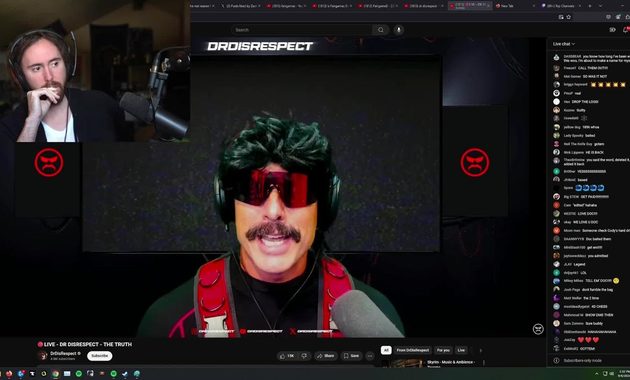
Dr DisRespect was already a major streamer when shots were fired at his home during a September 2018 broadcast. He disappeared from the camera before returning without his usual performance persona and abruptly ending the stream.
The incident became one of Twitch’s most heavily watched clips at the time.
Why did it travel?
- Immediate uncertainty made viewers want answers.
- The contrast with his exaggerated character made the moment unusually striking.
- Clippability allowed viewers to isolate the crucial seconds.
- News coverage pushed the incident beyond the original Twitch audience.
That’s an important distinction. The livestream itself created the moment, but distribution afterward created its second life.
The Rise of Livestream Fail Culture
By the mid-2010s, accidental livestream moments had become a recognizable internet format. The /r/LivestreamFail community, launched in 2015, helped turn individual mistakes into searchable, shareable cultural artifacts.
This is where unscripted moments become more valuable than polished production. Viewers aren’t only consuming the original broadcast anymore. They’re consuming the reaction, the clip, the meme, and eventually the historical context around it.
2. Organic Reach Meets Virality Metrics When a Clip Escapes Its Original Audience
A livestream does not become culturally significant simply because thousands of people watched it live. The real turning point happens when viewers become distributors.
That process is easier to understand through four signals:
- Retention: Did people stay long enough to understand the moment?
- Rewatching: Was the incident confusing, surprising, or emotionally strong enough to replay?
- Sharing: Did viewers feel compelled to send it elsewhere?
- Conversation: Did the clip create an argument, joke, mystery, or explanation?
These signals can reinforce one another. A confusing moment encourages rewatches. Rewatches generate clips. Clips create conversation. Conversation introduces people who never watched the original broadcast.
Why Internet History Is Often Written in Clips
The archive of internet history is increasingly fragmented. The original livestream might disappear, but a 20-second clip can survive for years.
That explains why internet history contains so many moments remembered through screenshots, reposts, reaction videos, and clipped footage rather than the original broadcast.
The 2020 Dr DisRespect Twitch ban provides another useful example. His final Twitch stream was rapidly clipped and analyzed after the account was banned, with one version receiving hundreds of thousands of views.
The lesson for creators is uncomfortable but useful: virality metrics should not be judged only by live concurrent viewers.
A smaller stream can produce a much larger cultural footprint if its most important moment is easy to extract and redistribute.
Organic Reach Is Not the Same as Random Luck
Organic reach doesn’t mean the algorithm had nothing to do with it.
Algorithms still determine which content gets additional exposure. But the initial spark can come from human behavior: someone clips it, posts it, reacts to it, or explains it.
A useful model is:
Unexpected event → viewer reaction → clip → social discussion → recommendation → wider audience
That’s very different from deliberately manufacturing a “viral moment.”
3. Virality Metrics Reveal Why Authenticity Often Beats Manufactured Chao
The biggest mistake is assuming that every viral incident has the same formula.
It doesn’t.
Some moments are funny. Others are frightening, controversial, emotionally intimate, or simply bizarre. What connects them is context collapse. A moment created for one audience suddenly becomes understandable to millions of strangers.
The Ice Cream Theft That Became a Livestream Crime Story
In 2015, two Utah teenagers livestreamed themselves stealing ice cream from a truck through Periscope. The broadcast became part of the early history of livestreamed incidents where people underestimated how quickly a supposedly small event could become public evidence.
The case demonstrates another side of virality. Attention isn’t automatically positive. A livestream can generate reach while simultaneously creating legal, reputational, or personal consequences.
When the Algorithm Is Not the Main Character
The strongest virality metrics should therefore be interpreted alongside context.
Look at:
- viewer growth after the original broadcast
- clip views compared with live viewers
- repost velocity
- comment-to-view ratio
- search interest after the event
- how long the conversation remains active
A sudden spike followed by silence is different from a clip that continues generating discussion weeks later.
And that distinction matters when studying modern livestream culture. A recent academic framework also argues for observing early engagement and retention across platforms rather than treating raw views as the complete picture.
For readers researching real-world livestream incidents, official material matters too. A case such as the Georgia livestream story is better understood by checking primary reporting and official sources rather than relying solely on viral reposts. Read the Georgia case and official-source review
What Actually Makes a Livestream Moment Memorable?
Three things repeatedly stand out:
- Uncertainty
Nobody knows what happens next. - Emotional clarity
The audience immediately understands that something unusual has happened. - Easy transmission
The crucial moment can be clipped, explained, and understood without watching the entire broadcast.
That’s why authenticity has an advantage. A manufactured stunt can imitate surprise, but viewers are increasingly good at spotting staged behavior.
The irony is almost perfect: creators may spend hours planning a livestream, while the moment that defines it can happen in five seconds.
Q&A
Can a livestream become viral without having a huge audience?
Yes. A small live audience can produce a highly shareable clip. Once that clip moves to larger social platforms, its distribution is no longer limited by the creator’s original follower count.
Are viral livestream moments always good for the creator?
No. Some generate followers and media attention, while others create legal problems, bans, harassment, or lasting reputational damage. Attention and value are not the same thing.
Can creators deliberately create an authentic viral moment?
They can design conditions for interesting interactions, but genuine unpredictability cannot be guaranteed. The harder a creator tries to manufacture spontaneity, the easier it can become for viewers to notice the performance.

Yun Seo-jun worked in online reputation monitoring for entertainment companies and consumer brands. His role involved tracking viral live moments, identifying misleading clips, documenting audience reactions, and preparing reports during digital controversies. He now writes about viral livestream cases, responsible content sharing, creator accountability, audience manipulation, and the ethical questions that often appear when a live broadcast spreads beyond its original audience.